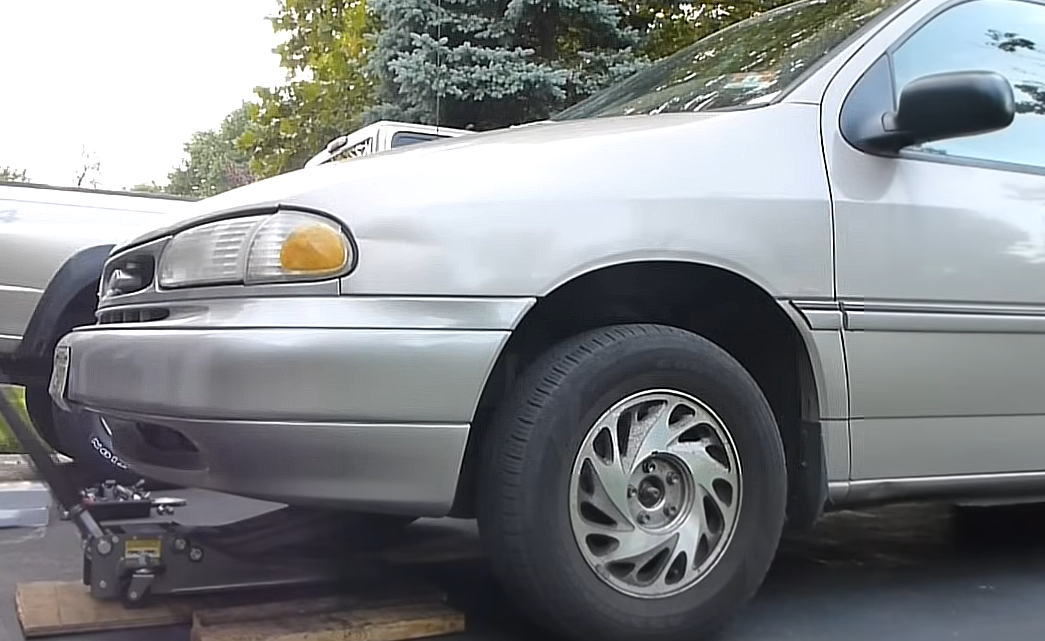
A flat tire can happen to anyone, anytime. Whether you’re on your way to work or heading out for a road trip, it’s a situation that can be a real hassle if you’re not prepared. Knowing how to change a tire is an essential skill every driver should have. It’s not difficult, but it does require a bit of patience and the right tools. Let’s walk through the steps so you can confidently change a tire the next time you find yourself in a pinch.
1. Gather Your Tools
Before you even think about jacking up the car, make sure you have the necessary tools. These include:
- Spare tire (preferably fully inflated)
- Jack
- Lug wrench
- Tire iron
- Owner’s manual (optional but helpful)
Most cars come with these items stored in the trunk, usually underneath the floor mat. It’s always a good idea to check every once in a while to make sure your spare is in good condition. If you drive a lot, consider adding a portable air pump and a tire pressure gauge to your kit for emergencies.
2. Find a Safe Location
Safety first. If you notice your tire going flat while driving, find a safe spot to pull over. Try to get to a flat, solid surface away from traffic. A parking lot, wide shoulder, or rest stop is ideal. Avoid soft or uneven ground, as the jack may sink or tip over, making it dangerous.
Once you’re safely off the road, turn on your hazard lights to alert other drivers. If you have wheel wedges or a brick, place them behind the wheels to prevent your car from rolling. Engage your parking brake as an extra precaution.
3. Loosen the Lug Nuts
With your car safely parked and stable, it’s time to get started. Use the lug wrench to loosen the lug nuts on the flat tire. You don’t want to remove them completely yet—just break them loose while the tire is still on the ground. Loosening them now prevents the wheel from spinning when you lift the car.
Place the wrench on the lug nut and turn it counterclockwise. This might require some effort, especially if the nuts are tight. If they’re tough to loosen, use your body weight by stepping on the wrench (carefully). Loosen all the lug nuts a turn or two.
4. Jack Up the Car
Now comes the lifting part. Find the proper jacking point on your car, usually indicated in the owner’s manual. This spot is reinforced to handle the weight of the car. Place the jack under the car at this point and slowly raise the vehicle. Lift it until the flat tire is a few inches off the ground.
Always take your time with this step. If the jack seems unstable or the ground feels soft, lower the car and reposition everything before continuing.
5. Remove the Flat Tire
With the car lifted, finish removing the lug nuts completely. Put them somewhere safe; you’ll need them for the spare tire. Now, carefully pull the flat tire off the wheel hub and set it aside. If the tire is stuck (this can happen with rust or dirt buildup), give it a firm pull or tap around the edges with a tire iron to break it free.
6. Mount the Spare Tire
Now, grab your spare tire and align it with the wheel bolts. Slide it onto the hub carefully, making sure the holes line up with the bolts. Once it’s in place, hand-tighten the lug nuts onto the wheel. Don’t tighten them all the way just yet—you’ll finish that once the car is back on the ground.
7. Lower the Car and Tighten the Lug Nuts
With the spare tire mounted, slowly lower the car back to the ground using the jack. Once the car is stable, remove the jack completely and set it aside. Now, it’s time to tighten the lug nuts.
Using the wrench, tighten each lug nut in a star pattern. This means tightening one, then moving to the nut opposite it, rather than going around in a circle. This ensures the tire seats evenly on the wheel hub. Tighten them as much as you can by hand, then use the wrench for a final secure fit.
8. Check the Tire Pressure
Once the spare tire is on and the lug nuts are tight, check the tire pressure. Spare tires, especially the smaller “donut” spares, often have a different recommended pressure than regular tires. Check your owner’s manual or the tire sidewall for the correct pressure.
If you have a tire gauge, use it to confirm the tire is properly inflated. If it’s too low, head to the nearest gas station and fill it up before driving too far.
9. Drive Carefully
Now that your spare tire is on, you can get back on the road, but drive with caution. If you’re using a temporary spare (a donut), remember it’s not meant for long distances or high speeds. These tires are designed to get you to a repair shop, not for everyday driving.
Avoid highways and stick to a speed limit of around 50 mph until you can get your flat tire repaired or replaced.
Be Prepared for the Road Ahead
Changing a tire is a straightforward process, but it can feel stressful in the moment. The more familiar you are with the steps, the more confident you’ll be when the time comes. Keep your spare tire in good condition, check your tools regularly, and don’t forget to practice tire maintenance, like checking for proper inflation and tire wear.
Knowing how to change a tire not only saves you from being stranded but also gives you peace of mind. Next time you’re faced with a flat, you’ll be ready to tackle it like a pro.
About the Author