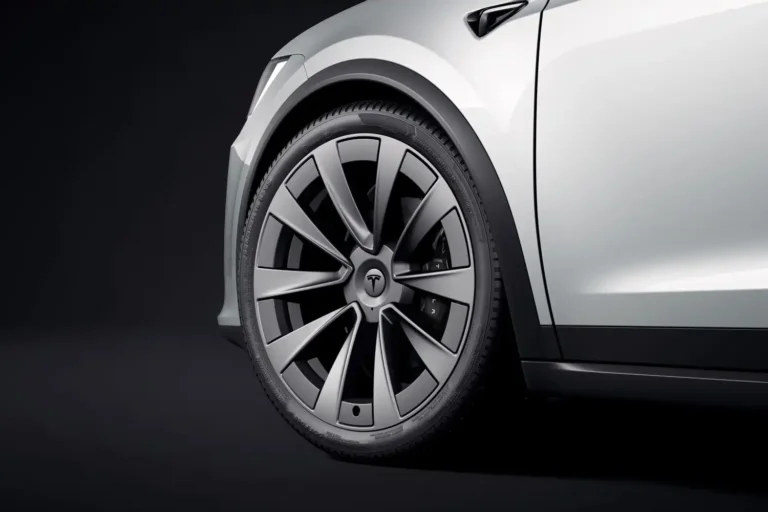
Knowing when to replace your tires is crucial for safety, performance, and vehicle handling. Tires are the only part of your car in direct contact with the road. Worn-out tires can reduce traction, increase stopping distances, and even lead to blowouts. But how do you know when it’s time to swap them out? Let’s break down the essential indicators and guidelines to keep you rolling safely.
Why Tire Replacement Matters
Tires wear down over time, affecting their grip, stability, and performance. Worn tires are prone to slipping, especially on wet or snowy roads. Additionally, aged or damaged tires can compromise your vehicle’s safety and handling. Tire replacement isn’t just about aesthetics—it’s about ensuring you have maximum control on the road.
Signs That It’s Time to Replace Your Tires
Several signs can indicate it’s time for new tires. Here’s what to look out for:
1. Low Tread Depth
- Tread depth is the vertical measurement from the top of the tire’s rubber to the grooves. Most experts, including the U.S. Department of Transportation, recommend replacing tires when tread depth reaches 2/32 of an inch.
- An easy way to check is with the penny test. Insert a penny into the tread with Lincoln’s head facing down. If you can see all of Lincoln’s head, the tread is too shallow, and it’s time to replace your tires.
2. Visible Damage or Cracks
- Look for cracks, bulges, or cuts on the tire sidewall. These can weaken the tire’s structure and increase the risk of a blowout.
- Any visible punctures, especially on the sidewall, also call for replacement. Driving on a damaged tire can be dangerous, particularly at high speeds.
3. Irregular Wear Patterns
- If you notice uneven wear across the tire, it could signal improper inflation, misalignment, or suspension issues.
- Irregular wear is best addressed early, but if it persists, it can quickly ruin your tires, leading to premature replacement.
4. Age of the Tire
- Even if a tire has good tread, age can still be a factor. Most manufacturers suggest replacing tires every 6-10 years, regardless of wear, due to rubber degradation.
- Check the sidewall for the DOT (Department of Transportation) code, which includes a four-digit number representing the week and year the tire was manufactured. For example, “1219” means the tire was made in the 12th week of 2019.
Recommended Mileage Intervals
In general, tires last about 50,000 to 70,000 miles. However, factors such as driving habits, road conditions, and vehicle type can impact this estimate. For instance, aggressive driving or frequent driving on rough roads can wear down tires faster.
Regular tire rotations every 5,000-8,000 miles can help even out wear and extend tire life. Additionally, maintaining proper tire inflation is critical for maximizing mileage.
The Risks of Delayed Replacement
Driving on worn tires doesn’t just increase wear and tear—it’s a safety hazard. Here’s why replacing your tires promptly matters:
- Reduced Traction: Worn tread reduces a tire’s grip on the road, particularly in wet conditions. This leads to longer stopping distances and an increased risk of hydroplaning.
- Lower Gas Mileage: Underperforming tires can impact fuel efficiency. Tires with low tread require more effort to move, meaning your engine has to work harder.
- Increased Blowout Risk: Aging and damaged tires are more susceptible to blowouts. This is especially dangerous at highway speeds, where a blowout can cause loss of control.
Should You Re
Knowing when to replace your tires is crucial for safety, performance, and vehicle handling. Tires are the only part of your car in direct contact with the road. Worn-out tires can reduce traction, increase stopping distances, and even lead to blowouts. But how do you know when it’s time to swap them out? Let’s break down the essential indicators and guidelines to keep you rolling safely.
Why Tire Replacement Matters
Tires wear down over time, affecting their grip, stability, and performance. Worn tires are prone to slipping, especially on wet or snowy roads. Additionally, aged or damaged tires can compromise your vehicle’s safety and handling. Tire replacement isn’t just about aesthetics—it’s about ensuring you have maximum control on the road.
Signs That It’s Time to Replace Your Tires
Several signs can indicate it’s time for new tires. Here’s what to look out for:
1. Low Tread Depth
- Tread depth is the vertical measurement from the top of the tire’s rubber to the grooves. Most experts, including the U.S. Department of Transportation, recommend replacing tires when tread depth reaches 2/32 of an inch.
- An easy way to check is with the penny test. Insert a penny into the tread with Lincoln’s head facing down. If you can see all of Lincoln’s head, the tread is too shallow, and it’s time to replace your tires.
2. Visible Damage or Cracks
- Look for cracks, bulges, or cuts on the tire sidewall. These can weaken the tire’s structure and increase the risk of a blowout.
- Any visible punctures, especially on the sidewall, also call for replacement. Driving on a damaged tire can be dangerous, particularly at high speeds.
3. Irregular Wear Patterns
- If you notice uneven wear across the tire, it could signal improper inflation, misalignment, or suspension issues.
- Irregular wear is best addressed early, but if it persists, it can quickly ruin your tires, leading to premature replacement.
4. Age of the Tire
- Even if a tire has good tread, age can still be a factor. Most manufacturers suggest replacing tires every 6-10 years, regardless of wear, due to rubber degradation.
- Check the sidewall for the DOT (Department of Transportation) code, which includes a four-digit number representing the week and year the tire was manufactured. For example, “1219” means the tire was made in the 12th week of 2019.
Recommended Mileage Intervals
In general, tires last about 50,000 to 70,000 miles. However, factors such as driving habits, road conditions, and vehicle type can impact this estimate. For instance, aggressive driving or frequent driving on rough roads can wear down tires faster.
Regular tire rotations every 5,000-8,000 miles can help even out wear and extend tire life. Additionally, maintaining proper tire inflation is critical for maximizing mileage.
The Risks of Delayed Replacement
Driving on worn tires doesn’t just increase wear and tear—it’s a safety hazard. Here’s why replacing your tires promptly matters:
- Reduced Traction: Worn tread reduces a tire’s grip on the road, particularly in wet conditions. This leads to longer stopping distances and an increased risk of hydroplaning.
- Lower Gas Mileage: Underperforming tires can impact fuel efficiency. Tires with low tread require more effort to move, meaning your engine has to work harder.
- Increased Blowout Risk: Aging and damaged tires are more susceptible to blowouts. This is especially dangerous at highway speeds, where a blowout can cause loss of control.
Should You Replace All Four Tires?
Replacing all four tires at once is ideal, as it ensures balanced handling and uniform performance. However, if only one or two tires need replacing, aim to match the new tires as closely as possible to the remaining ones in terms of tread and brand. This is particularly important for all-wheel-drive vehicles, where inconsistent tread can put stress on the drivetrain.
DIY Tire Check or Professional Inspection?
While you can perform simple checks at home, such as the penny test and visual inspection for cracks, it’s best to have your tires professionally inspected at least once a year. A professional can measure tread depth with precision and check for alignment and balance issues that may be invisible to the untrained eye.
Tips for Extending Tire Life
Regular maintenance can significantly extend the life of your tires. Here are a few practical tips:
- Regular Rotations: Rotate your tires as recommended to even out wear patterns.
- Proper Inflation: Check tire pressure monthly and adjust according to your vehicle’s recommendations. Under-inflated or over-inflated tires wear faster.
- Wheel Alignment: Have your wheels aligned if you notice your vehicle pulling to one side or if you see uneven tread wear.
- Avoid Overloading: Carrying heavy loads can put excessive stress on your tires, causing them to wear down more quickly.
Keep Rolling Smoothly
Tires are a critical component of your vehicle’s safety system. By knowing when to replace them and keeping an eye out for warning signs, you’ll maintain better control on the road and save on premature replacements. So, keep your tires in check, drive confidently, and enjoy the journey—one smooth mile at a time.
About the Author