Tires are the unsung heroes of our vehicles. They keep us grounded, quite literally. Yet, maintaining optimal tire pressure can be a challenge. Enter Tire Pressure Monitoring Systems (TPMS). Are they truly beneficial, or just another gimmick? Let’s delve into the world of TPMS and uncover the truth!
Keeping Your Wheels in Check: The Truth About TPMS!
Tire Pressure Monitoring Systems have become a standard feature in many modern vehicles. They serve a crucial purpose: alerting drivers when tire pressure drops below recommended levels. A light on the dashboard can save you from a flat tire, ensuring a safer ride. With TPMS, you get a heads-up before that dreaded blowout happens.
But how do they work? TPMS uses sensors to monitor the air pressure in each tire. These sensors send data to the vehicle’s onboard computer. If the pressure drops significantly, the system triggers a warning light. This process happens in real-time, meaning you’re always in the know about your tire health. It’s like having a personal tire assistant keeping you informed!
However, it’s not all sunshine and rainbows. Some critics argue that TPMS can give false warnings. A change in temperature can cause pressure fluctuations, leading to unnecessary alerts. Additionally, many drivers may ignore the warning light, thinking it’s not a big deal. This can lead to complacency, which defeats the system’s purpose. So, while TPMS can be incredibly useful, understanding its limitations is also key!
Tire Pressure Monitoring Systems: Your Friend or Foe?
So, are Tire Pressure Monitoring Systems friends or foes? Let’s look at the bright side first. TPMS can enhance safety. Under-inflated tires can increase braking distances and reduce handling. With TPMS, drivers can maintain optimal pressure, promoting better fuel efficiency and tire longevity. It’s a win-win for both your pocket and your safety!
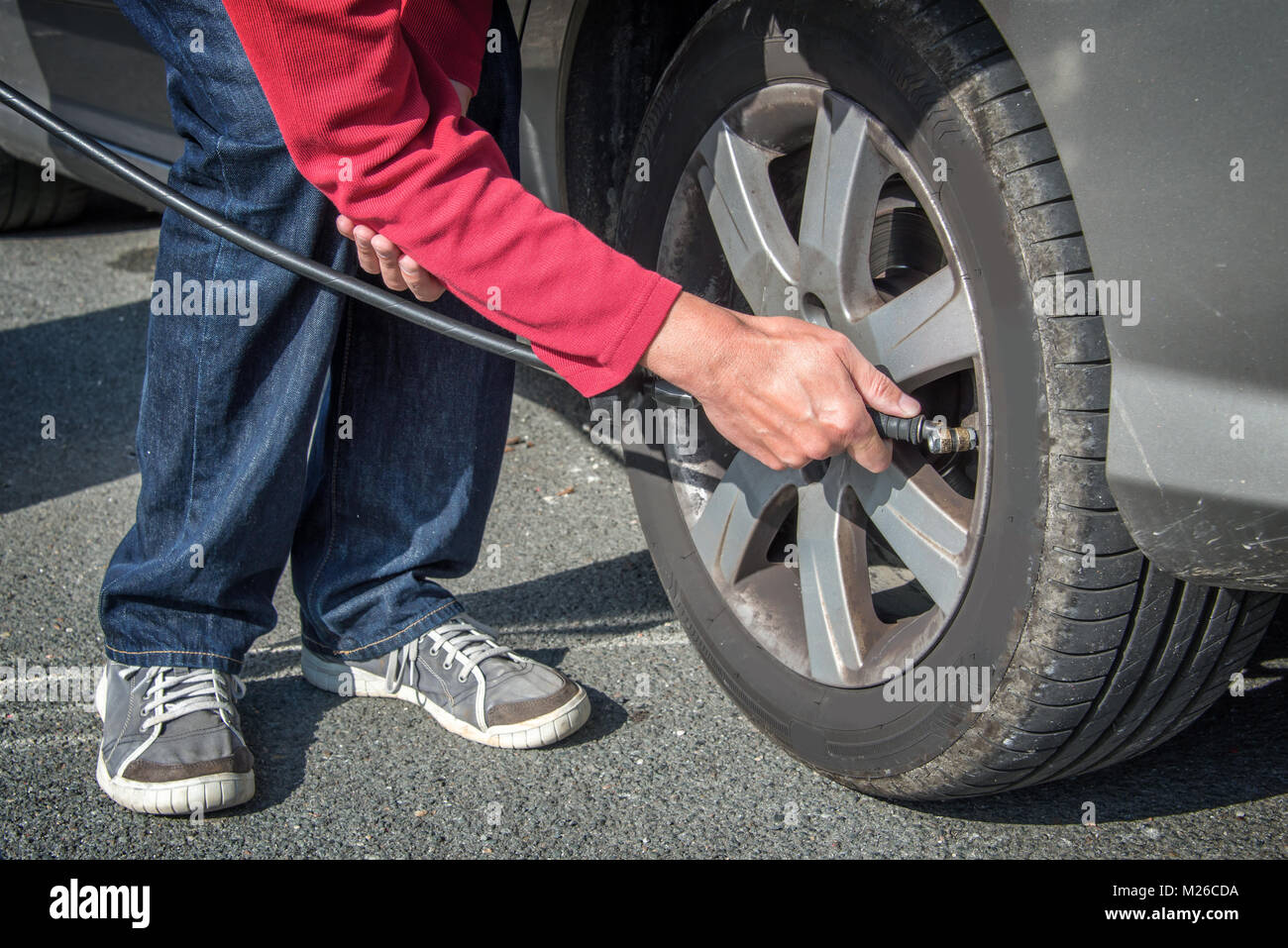
On the flip side, some people feel that TPMS may promote a sense of complacency. If drivers rely too heavily on the system, they might neglect regular tire checks altogether. It’s essential to remember that TPMS is a supplement, not a substitute. Regularly inspecting your tires, including tread depth and overall condition, is still necessary. After all, tires are the only contact your vehicle has with the road!
In the end, the value of TPMS often comes down to the individual driver. For those who are proactive about vehicle maintenance, TPMS can be a practical tool. It offers a convenient way to keep tabs on tire pressure, helping you drive with peace of mind. But if you’re someone who tends to ignore warning lights, it may not be as beneficial as intended. The key is to strike a balance between technology and good old-fashioned vehicle care.
In the debate of helpful or hype, Tire Pressure Monitoring Systems certainly have their place on the automotive stage. They can enhance safety and efficiency but shouldn’t replace regular maintenance. So, the next time you see that little light illuminate your dashboard, remember: it’s not just a warning; it’s a friendly reminder to give your tires some love! Keep checking those wheels, and happy driving!
About the Author