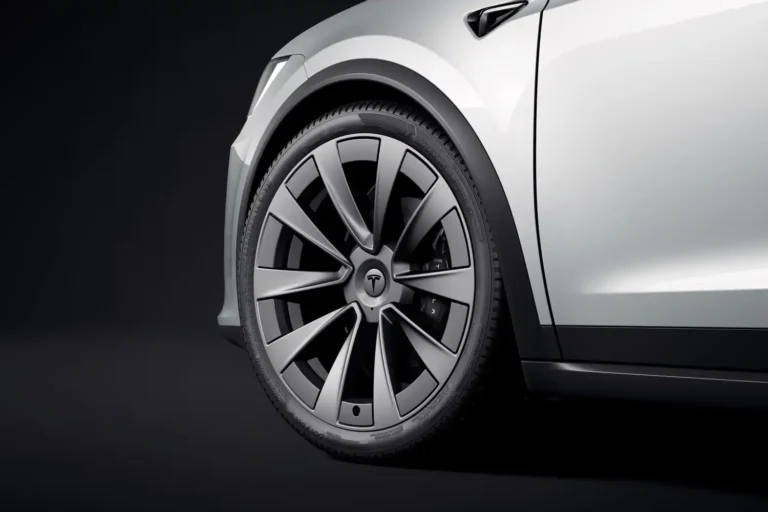
Tires are the unsung heroes of driving. They connect your vehicle to the road and play a vital role in your safety. You might think of them as just rubber circles, but their quality can make all the difference in braking and handling. Let’s dive into the fascinating world of tires and discover how they influence your driving experience.
Smooth Stopping: The Secret Life of Your Tires Revealed!
Every time you press the brake pedal, your tires spring into action. They respond to the braking force, gripping the road surface. High-quality tires can provide superior grip, allowing for smoother stops. This is especially important in emergency situations. You want to be confident when you hit the brakes.
The materials and tread patterns of tires affect how well they perform in different conditions. Tires designed for wet weather have deeper grooves to channel water away. This reduces hydroplaning, enhancing stopping power even on slick roads. On the other hand, tires with a performance focus will emphasize traction and responsiveness. The right tire for your vehicle can be a game changer.
Lifespan matters too. Worn-out tires lose grip, increasing stopping distances. Regular inspections are essential. They help ensure your tires are in top shape. Remember, a small investment in good quality tires can lead to safer and more efficient braking.
Grip It and Zip It: Tire Tales of Braking and Handling!
Handling is where the magic of tires truly shines. They allow your vehicle to maneuver smoothly, responding to your every turn. When you take a corner, quality tires stick to the surface, providing control. This grip builds confidence. You can tackle twists and turns without worrying about losing traction.
Different types of tires cater to varied driving conditions and styles. All-season tires are versatile, but performance tires shine in dry and wet conditions. They have a softer compound, which enhances grip. Likewise, off-road tires excel in rough terrain. Choosing the right type can significantly impact how your vehicle behaves.
Tire pressure is another crucial element in handling. Under-inflated tires can lead to sluggish responses and poor mileage. Conversely, over-inflated tires might wear unevenly or create a bumpy ride. Regularly checking tire pressure is simple yet crucial. It ensures that your car handles just how you want it—smooth and reliable!
Understanding how tire quality affects braking and handling can transform your driving experience. Quality tires are not just about aesthetics or performance; they are about safety and confidence on the road. So, the next time you think about upgrading, remember the power your tires hold. Happy driving!
About the Author